
Ready to plug your energy leaks…using the Magnesium Matrix Method™
The difference?
Same issue.
Different approach.
Completely different results.
And before you think I’m just being dramatic…
Let me explain exactly why this is happening.
And faster than most people realise.
Once you understand this, everything changes.
And you can do it faster and more effectively than ever.
So what’s going on?
Keep reading, I’ll explain everything in just a moment…
Everyone’s talking about Vitamin D and Creatine.
No one’s revealing what they’re doing to magnesium uptake.
If you’re experiencing magnesium deficiency symptoms…
You want to know the warning signs, how to get more magnesium.
Let’s deep dive into the symptoms of magnesium deficiency…
Find out if your supplement stack is secretly sabotaging your magnesium.
Optimize minerals to balance your energy.
Understand how to improve your magnesium levels…
The smarter way to align supplements with your body’s actual biochemistry.
You can download free cheat sheet guide to causes and solutions.
Magnesium can help with chronic pain, diabetes, cardiovascular health…
Including heart disease, sleep, and depression.
How to Spot the 4 Supplements Quietly Draining Your Magnesium…
Early symptoms:
- Fatigue and weakness
- Loss of appetite
- Nausea and vomiting
- Muscle cramps, spasms, twitches (i.e; eye twitches)
- Restlessness or anxiety
According to WHO statistics…
66% of people are magnesium deficient.
75% of adult population does not meet recommended daily intake of 420 mg.
Top 4 Supplements That Can Affect Magnesium Levels (And How to Manage)
Magnesium is a powerhouse mineral essential for over 300 biochemical reactions in your body.
Including energy production, muscle function, nerve relaxation, and electrolyte balance.
Yet, many people are deficient due to poor diet, stress, or interactions with other supplements.
While supplements can boost health…
Some popular ones may increase your magnesium needs or interfere with its absorption and utilization.
This doesn’t mean you should avoid them entirely.
It’s about understanding your needs with balance and awareness.
In this post, we’ll explore the top 4 supplements that can impact magnesium levels.
Its all based on scientific insights.
We’ll cover how they work, possible pros and cons, evidence-based caveats.
At the end, you’ll find actionable steps to optimize your intake and avoid deficiencies.
Remember, this is for informational purposes; consult a healthcare professional for personalized advice.
Why Magnesium Matters and How Supplements Can Interfere
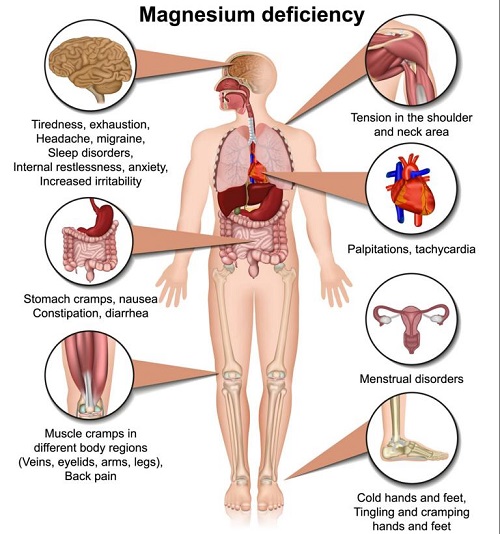
Magnesium deficiency is common.
In fact, this affects up to 50% of people in some populations.
Symptoms include fatigue, muscle cramps, heart palpitations, anxiety, and constipation.
Factors like stress, high-sugar diets, and certain medications exacerbate this.
Supplements aren’t inherently bad…
But they can compete with magnesium for absorption.
Increase its excretion, or ramp up demand in metabolic pathways.
Magnesium homeostasis is regulated by intestinal absorption…
Kidney excretion, and storage in bones and cells.
Depletion occurs when losses exceed intake.
Subclinical deficiencies are hard to detect via blood tests…
This is because serum levels may appear normal while tissues are low.
Key electrolytes, magnesium, calcium, sodium, and potassium.
These must stay balanced.
Imbalances can lead to electrical issues in nerves and muscles.
The result is fatigue, cramps, or high blood pressure.
1. Vitamin D: The Activation Demander
Vitamin D is crucial for bone health, immune function, and mood.
However, its activation in the liver and kidneys requires magnesium as a cofactor.
High doses can deplete magnesium reserves, as the body burns through more to process it.
Vitamin D also boosts calcium absorption, which can push magnesium out of cells.
Pros: Supports immunity, bone density, and may reduce depression risk.
Cons: Can lead to magnesium deficiency symptoms like insomnia or anxiety if not balanced.
Ironically, the same issues vitamin D aims to fix.
Evidence shows biological plausibility for high-dose vitamin D increasing magnesium demand.
But it’s more pronounced if baseline magnesium is low.
Normal doses are less likely to cause issues.
Tip: Always pair vitamin D with magnesium, especially at doses over 2,000 IU daily.
2. Calcium: The Direct Competitor
Calcium is vital for bones and teeth.
Calcium competes with magnesium for absorption in the gut.
High calcium intake can reduce magnesium balance, especially in low-magnesium diets.
On a cellular level, calcium is mostly extracellular.
While magnesium is intracellular they need a 2:1 ratio for muscle contraction and relaxation.
Pros: Strengthens bones, supports heart rhythm.
Cons: Excess can overstimulate muscles and nerves, leading to cramps or anxiety if magnesium is low.
The interaction is modest under normal conditions.
High doses amplify it. Aim for balance rather than avoidance.
Tip: Take calcium and magnesium at different times, and monitor your Ca:Mg ratio (ideally 2:1).
3. Sodium: The Excretion Accelerator
Sodium, often from salt or electrolyte drinks.
It is essential for fluid balance and nerve signals.
However, high intake increases urinary magnesium loss via the kidneys.
Stress hormones like aldosterone worsen this by retaining sodium and dumping magnesium.
Pros: Maintains hydration, especially during exercise.
Cons: Can create electrolyte imbalances, leading to fatigue, high blood pressure, or water retention.
This is one of the better-supported claims…
High-sodium diets clearly promote magnesium excretion.
Though healthy kidneys may compensate if intake is adequate.
Tip: If you’re on a high-sodium diet (e.g., athletes), boost magnesium-rich foods or supplements.
4. Creatine: The Energy Booster
Creatine enhances ATP production for muscle energy, popular among athletes.
It doesn’t directly deplete magnesium.
Although increases demand, as ATP binds to magnesium for stability.
Intense workouts with creatine also cause magnesium loss via sweat and stress.
Pros: Improves strength, recovery, and performance.
Cons: May indirectly strain magnesium reserves, reducing creatine’s effectiveness if levels drop.
Evidence is speculative; no strong trials show direct depletion.
If combined with exercise, demand rises.
Magnesium-creatine chelates are sometimes used to mitigate this.
Tip: Supplement magnesium alongside creatine, especially if training hard.
Other Factors: B Vitamins, Iodine, and Stress
- B Vitamins: High doses boost metabolism, potentially increasing magnesium needs as a cofactor. Evidence is weak; they often work synergistically, and deficiency in one can affect the other.
- Iodine: Supports thyroid function, which speeds metabolism. No direct depletion evidence; low magnesium may impair iodine use. Weak claim overall.
- Stress: Creates a vicious cycle, depleting magnesium via hormones and excretion. Strong evidence; manage stress to preserve levels.
Best Sources of Magnesium

Prioritize food over supplements.
Top magnesium sources include:
- Dark leafy greens (spinach, kale)
- Nuts (almonds, cashews)
- Seeds (pumpkin, chia)
- Avocados
- Whole grains (oats, quinoa)
Most people fall short of the RDA (300-400 mg/day).
Supplements like magnesium glycinate or citrate can help.
Start low (200-400 mg) to avoid digestive issues.
Scientific Caveats
Claims of “depletion” are often overgeneralized.
Effects depend on dose, baseline levels, kidney function, and overall diet.
Mechanistic and observational studies support some interactions (e.g., sodium, stress).
The large randomized controlled trial are limited.
Best is to always test and personalize to your needs.
Action Steps to Optimize Your Health
- Assess Your Needs: Get a red blood cell magnesium test (more accurate than serum) if symptoms persist. Track electrolytes via apps like Cronometer.
- Balance Supplements: If taking vitamin D, calcium, sodium, or creatine, add 200-400 mg magnesium daily. Space out antagonists (e.g., calcium and magnesium 2 hours apart).
- Prioritize Diet: Aim for 7-9 servings of veggies/fruits daily, focusing on magnesium-rich foods. Reduce processed foods high in sodium or sugar.
- Manage Stress: Incorporate practices like meditation or exercise to break the depletion cycle. Consider boron or B6 for better retention.
- Monitor and Adjust: Note symptoms and retest after 4-6 weeks. Avoid megadosing any nutrient without guidance as understanding your body’s signals is key.
- Consult a Pro: Work with a doctor or nutritionist, especially if you have conditions like chronic fatigue or kidney issues.
You can leverage this knowledge to avoid pitfalls and accelerate your health.
Click here to download cheat sheet.
Topical Magnesium Might Be the Secret You’ve Been Missing
If there’s one magnesium method more people should know about, it’s topical application.
For years, conventional wisdom held that magnesium couldn’t be absorbed through the skin.
But recent research and countless real-world experiences suggest otherwise.
Transdermal magnesium absorption is not only possible…
But can be effective when applied to areas like the feet or underarms.
The Gentle Power of Transdermal Magnesium
If you have a sensitive digestive system or struggle with nutrient absorption…
Oral magnesium supplements can sometimes be a problem.
Certain forms, magnesium citrate or oxide, may cause gastrointestinal discomfort.
Especially if your system is already out of balance.
That’s where topical magnesium becomes a game-changer.
You might consider:
- Magnesium oil spray on your legs or abdomen before bed
- Magnesium-infused lotion for muscle tension and soreness
- Epsom salt baths or foot soaks a relaxing ritual with therapeutic benefits
By bypassing the digestive tract, topical magnesium delivers targeted relief.
Many people report muscle cramps vanish within minutes of applying magnesium spray.
And if sleep or stress is happening daily…
You could use magnesium before bed.
Its like turning down the volume on your nervous system.
You feel calming, grounding, and deeply restorative.
So if oral magnesium hasn’t worked for you?
Maybe you simply want a more gentle and focused approach.
Topical magnesium might be the wellness upgrade your body’s been waiting for.
What did you think of this magnesium deficiency symptoms update?
Loved it
Pretty good
Could be better
What’s your experience with magnesium?
Share your comments!