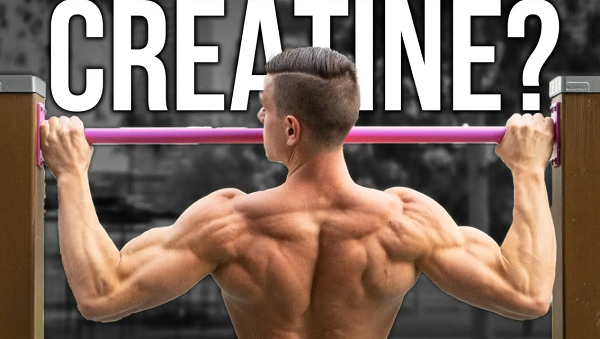
Is creatine safe or the silent threat to your gains?
Creatine is the most studied supplement in sports nutrition…
And one of the most misunderstood.
While it can elevate creatinine levels (a kidney function marker).
Research shows no long-term harm in healthy users.
What are the real risks?
Dehydration, bloating, and cramps.
All avoidable with proper hydration and dosing.
Don’t gamble with your health.
Get the facts, avoid the myths, and learn how to supplement safely for maximum performance.
This is to educate, eliminate confusion, guide to safe and effective use.
Why Bodyweight Athletes Should Care About Creatine
If you train with push-ups, pull-ups, dips, or calisthenics…Creatine can be your secret weapon.
It boosts ATP production.
This is the fuel behind explosive strength and muscular endurance.
If you’re between 25 and 60, you’ve probably heard the rumors:
- “Creatine causes kidney damage.”
- “It makes you bloated.”
- “You need to cycle it or detox.”
Let’s kill the myths and build your strength safely.
Creatine Side Effects: What’s Real vs Hype
| Side Effect | Reality |
|---|---|
| Kidney damage | No evidence in healthy adults. Creatine raises creatinine — a lab marker, not actual damage. |
| Bloating | Common during high-dose loading. Avoid by starting with 3–5g/day. |
| Cramps & dehydration | Caused by poor hydration, not creatine itself. |
| Hair loss | No proven link in clinical studies. |
| Liver stress | Not supported by peer-reviewed research. |
Creatine is safe for healthy adults especially when used correctly.
Creatine guide for bodyweight athletes.
Safe dosing, hydration checklist, myth-busting, expected results in 30 days.
And who should avoid creatine.

How to Use Creatine Safely (Age 25–60)
| Step | What to Do | Why It Works |
|---|---|---|
| 1️⃣ | Take 3–5g creatine monohydrate daily | Supports lean muscle and recovery without bloating |
| 2️⃣ | Skip the loading phase | Reduces digestive stress and water retention |
| 3️⃣ | Drink 2–3L of water/day | Prevents cramps and dehydration |
| 4️⃣ | Stay consistent | Creatine works by saturation, not timing |
| 5️⃣ | Check with your doctor if you have kidney issues | Creatine elevates creatinine, its not harmful unless kidneys are compromised |
Unlock more strength, reps, and recovery.
Learn how to take creatine safely, avoid bloating, stay hydrated.
And maximize gains for bodyweight training.
Who Should Use Creatine?
- Bodyweight athletes aged 25–60
- Men and women focused on lean muscle, recovery, and functional strength
- Adults over 40 looking to preserve muscle mass and fight age-related decline
Who Should Avoid Creatine?
- Individuals with pre-existing kidney disease
- Those on medications that affect kidney function
- Anyone unwilling to hydrate properly
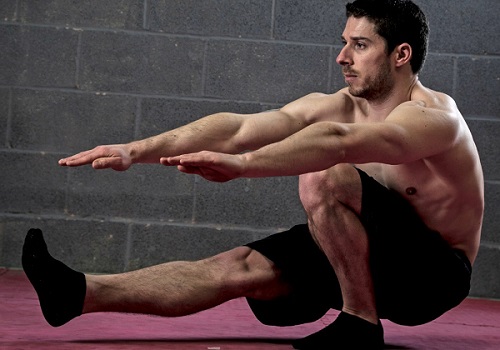
Creatine for Bodyweight Training: The Bottom Line
Creatine is not just for bodybuilders.
It’s for anyone serious about performance, recovery, and longevity.
If you train with your bodyweight and want to stay strong for life creatine is your ally.
Want the full guide?
Download the Creatine Safety Blueprint for Bodyweight Athletes:
- Age-specific dosing
- Hydration checklist
- Recovery tracker
- Supplement stack optimizer
Creatine – What to Expect When You Start
The first 30 days of creatine…
Creatine is one of the most studied supplements on the planet.
It’s been consistently proven to help build muscle faster.
Improve performance, and even boost cognitive function.
In fact, over 50% of professional power athletes…
Powerlifters, boxers, and track and field athletes.
Reportedly use creatine for these exact reasons.
Its popularity is also rising among high school lifters and athletes.
But what exactly does creatine do to your body?
What should you expect to feel, and how soon?
Is it safe, are there side effects, and how do you even know if it’s working?
Today, we’re doing a deep dive, what you can expect during first 30 days of taking creatine.
Will Creatine Work for You?
Before you take your first scoop…
It’s important to understand what creatine is.
And why it doesn’t necessarily work for everyone.
What is Creatine and How Does it Work?
Creatine is a substance your body naturally produces.
It serves as an indirect energy source to power your muscles through high-intensity activities.
Getting through a tough set of bench presses or a full-out sprint.
- In Your Muscles: About 95% of body’s creatine is stored in muscles, ready to be used for energy.
- In Your Brain: The other 5% is stored in your brain.
- This is why (as we’ll cover later) it’s heavily linked to brain function.
When you supplement with creatine, you can increase your body’s baseline levels by about 30%.
As a result, your muscles have more energy to power them.
Leading to more strength and, over time, more muscle mass.
The “Big Question”: Will Creatine Work for Me?
Here’s the catch: not everyone will experience the same benefits.
Approximately 20-30% of individuals are “non-responders.”
This just means they naturally have fully saturated muscle creatine levels.
On the other hand…
People with naturally lower levels, (creatine is mainly found in meat).
They will experience a much greater benefit from supplementation.
Odds are, you will experience some benefit.
But if you don’t, it’s not a bad deal.
It just means you’re already starting with a full tank!
Your First 30 Days on Creatine

When you first start taking creatine, it takes time for your muscles to become “fully saturated.”
You won’t experience the performance benefits until this saturation is complete.
How long this takes depends on your “loading” strategy.
Phase 1: The Saturation Phase (Days 1-21)
You have two main ways to start.
And both get you to the same end destination.
The “Loading” Method (Fastest):
How: You take a high dose of creatine every day (e.g., 20 grams) for about a week.
Time to Saturate: It takes about 7 days to fully saturate your muscles.
You can start experiencing benefits after this first week.
The “Non-Loading” Method (Slowest):
How: You just take a standard baseline dose (e.g., 5 grams) every day from the start.
Time to Saturate: It takes about 2 to 3 weeks to slowly reach full saturation.
The main difference between methods is how quickly you saturate.
And some of the initial side effects you might experience.
What You Should Feel
The side effects during saturation…
During this initial 1-3 week saturation phase.
You may experience a few common side effects.
Side Effect 1: Water Retention and Weight Gain (1-3 lbs)
This is the most common side effect.
When creatine is taken into a muscle cell, it also draws water into that cell.
While this might sound bad, it’s actually a good benefit.
Because it can make your muscles look and feel a lot fuller.
- How much: Expect an initial weight spike of 1 to 3 pounds.
- When: If you use a loading phase, you’ll see this spike during the first 7 days.
- If you use a non-loading phase, your weight increases more gradually over 2-3 weeks.
Side Effect 2: Stomach Discomfort
Some people report stomach discomfort.
This is more likely when taking large amounts at once (i.e., during a loading phase).
If you experience this, or want to avoid it, here are a few simple fixes:
- Split your dose. If you’re loading, split your 20g dose into 4-5 smaller doses throughout the day.
- Stop loading. Switch to the non-loading protocol of one small dose per day.
- Don’t take it on an empty stomach.
- Avoid taking at same time as caffeine, as this seems to increase upset stomach for some.
- Mix it with hot water. Sometimes discomfort is from creatine being poorly dissolved.
- Mixing it with hot water or tea can help it dissolve fully.
Side Effect 3: Creatinine vs. Creatine
This one is important.
Creatine supplementation slightly increases your levels of creatinine.
This is a breakdown product of creatine.
Since high creatinine levels can indicate impaired kidney function.
This can be alarming to see on a blood test if your doctor isn’t aware.
However, for healthy people, creatine has been consistently proven to be a safe supplement.
Your health professional should be aware of its effect.
Best to talk with doctor before taking creatine so they can interpret blood test results correctly.
Phase 2: After Saturation (Days 7-30+): The Benefits

Your muscles are now locked and loaded with creatine.
So what happens now?
Benefit 1: Increased Strength and Performance
Your strength should start to increase.
A major meta-analysis of 22 creatine studies found trained lifters can expect:
- An 8% boost in strength
- A 14% boost in the number of reps performed
Less experienced lifters may see even larger benefits.
One study showed an average performance increase of 30% in untrained.
That’s the difference between benching 100 pounds and 130 pounds.
Even a slight increase in strength or reps is a solid return for greater muscle mass over time.
Benefit 2: Faster Recovery
This is a big one.
A study surveying 52 NCAA athletes found…
81% of them reported faster recovery from their training as a key benefit.
After you reach saturation, pay attention to how fast you recover between your workouts.
You may notice a significant improvement.
Benefit 3: The Brain Boost
This is an exciting and relatively new area of creatine research.
Your brain is one of the most metabolically active tissues in your body.
And relies heavily on creatine for energy.
Supplementing can increase brain creatine levels by up to 10%.
A recent systematic review found creatine supplementation…
Consistently improves performance on short-term memory and tests of intelligence.
This benefit becomes even more obvious under stressed states.
For example. sleep deprivation.
And, just like with muscle gains…
Vegans and vegetarians tend to experience the most significant cognitive benefits.
The Bottom Line: What to Expect
That’s your 30-day guide.
You can expect:
- Days 1-21 (Saturation):
- A possible 1-3 lb weight spike from water retention (muscles look fuller) and stomach discomfort.
- Days 7-30+ (Post-Saturation): A noticeable increase in your strength, reps, and workout recovery. You may also feel a bit “sharper” mentally, especially if you’re stressed or sleep-deprived.
TIP: If you want to transform your body, you need to prioritize training and nutrition first.
What If Your Creatine Isn’t Working
It’s probably because of this simple mistake…
You’re not drinking enough water.
Creatine pulls water into your muscles, and dehydration kills its effect.
You’re not consistent.
Creatine isn’t magic, it builds up in your system over time.
You’re not loading correctly.
Skip the “loading phase,” and you’ll wait weeks for full saturation.
You’re taking it on an empty stomach.
Insulin helps creatine absorption so take it with carbs or protein.
You’re using cheap blends.
Use pure monohydrate because purity matters more than flashy labels.
You quit too early.
It takes 3–4 weeks to truly notice the difference.
You’re not training hard enough.
To use what creatine gives you, power means nothing if you don’t push it.
Your Next Steps
Now that you know what to expect…
The next step is applying the finer details of how to take it.
Is creatine safe?
Yes, when used correctly.
Get evidence-based guidelines, side effect prevention.
And step-by-step dosing for adults 25–60 training with bodyweight.
What did you think of this creatine update?
Loved it
Pretty good
Could be better


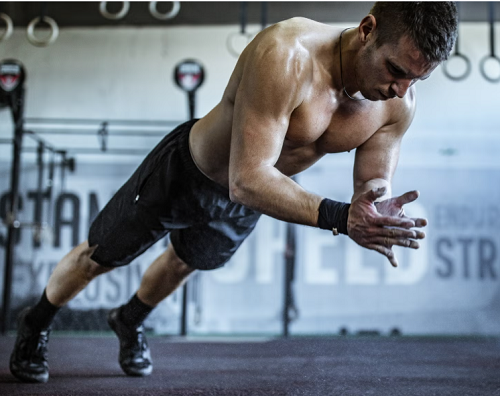
Boost strength, energy, and recovery with creatine. Discover safe dosing, hydration tips, and myth-free guidance for calisthenics and bodyweight athletes.