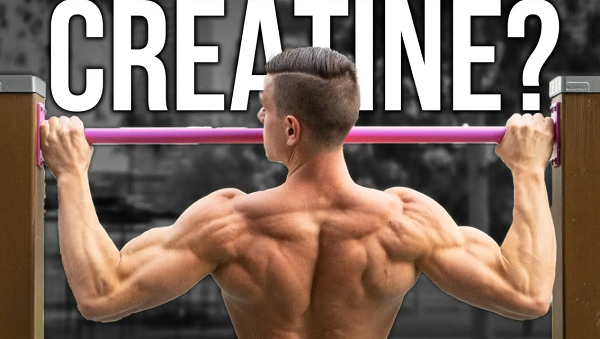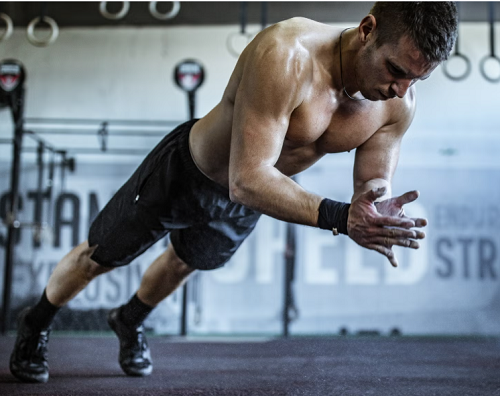
Your muscles aren’t weak, but your recovery is…
Discover how creatine helps athletes and trainers boost strength, power, performance.
Learn how to use creatine correctly to improve recovery, increase muscle mass.
And maximize your training results faster.
How Creatine Helps Athletes and Trainers Boost Strength, Recovery, and Performance
Creatine helps athletes and trainers increase muscle strength, power, and recovery.
Why replenish ATP?
Because ATP is the body’s main energy source for high-intensity exercise.
ATP is most commonly adenosine triphosphate, the “energy currency” of cells.
It is stored and transfers energy for vital cellular processes.
Muscle contraction, nerve impulses, and chemical synthesis.
When taken consistently, creatine boosts performance, supports muscle growth…
And enhances endurance across strength, sprint, and resistance-based training.
If your workouts feel flat or your strength gains have stalled…
If you want to finally experience consistent results, what’s the secret.
When clients come to me, they say they’ve tried everything.
What is the missing link?
Well, for starters it might not be your training.
It could be your creatine strategy.
Although some of it kind of worked…
Most led to burnout, wasted money, and the feeling of “maybe this just isn’t for me.”
Creatine is one of the most researched and effective supplements for athletes and trainers.
If your goal is to improve power, endurance, and muscle recovery…
You want to see results, right?
You need to understand how it works.
And how to use creatine properly.
This guide breaks down exactly how creatine helps athletes and trainers.
The common mistakes to avoid.
And how to unlock its full possibilities in your training.
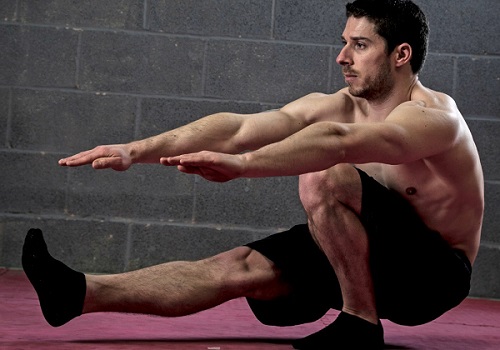
What Creatine Actually Does
Creatine fuels your body’s most powerful energy system ATP (adenosine triphosphate).
During high-intensity exercise like sprinting or lifting, your muscles use ATP as energy.
The problem?
You only store enough ATP for a few seconds.
That’s where creatine steps in.
It regenerates ATP, allowing your muscles to sustain short bursts of explosive activity for longer.
In simple terms:
Creatine helps your muscles keep firing when everyone else is slowing down.
Key Benefits of Creatine for Athletes
| Benefit | What It Does |
|---|---|
| Improved Performance | Boosts strength, power, and speed in sprinting and lifting. |
| Increased Muscle Mass | Enhances muscle size when paired with resistance training. |
| Faster Recovery | Reduces fatigue between intense bouts of exercise. |
| Increased Work Capacity | Lets you perform more total work — leading to bigger long-term gains. |
| Injury Reduction | May reduce muscle cramping and strain by improving hydration. |
| Cognitive Benefits | Enhances short-term memory and focus under stress or fatigue. |
1. Improved Performance
Creatine enhances strength, power, and output during high-intensity training.
This happens when bodyweight training, heavy lifts to sprints.
2. Increased Muscle Mass
When paired with resistance training, creatine increases muscle volume and lean tissue growth.
It draws water into muscle cells, creating a fuller, more hydrated body for growth.
3. Faster Recovery
Creatine helps reduce muscle cell damage and inflammation.
The benefit of shortening recovery time between workouts.
4. Increased Work Capacity
With more ATP available, you can perform more reps or sprints before fatigue sets in.
This means better long-term adaptations.
5. Possibility For Less Risk Of Injury / Reduction
Some studies show creatine can lower the risk of muscle strains and cramping.
The emphasis here is during intense or repeated effort.
6. Cognitive Support
Evidence suggests creatine may also enhance mental focus and cognitive resilience.
Especially in stressful or sleep-deprived situations.

How Creatine Works Inside Your Body
- Stored as phosphocreatine in muscle tissue
- Donates phosphate groups to ADP to regenerate ATP
- Increases immediate energy availability during high-intensity effort
- Enhances training capacity, leading to greater strength and size over time
It’s especially effective for activities lasting under 30 seconds.
Think powerlifting, sprinting, or HIIT training.
The Cortisol Connection
High-intensity training spikes cortisol, your body’s stress hormone.
While necessary in small doses, excess cortisol can:
- Hinder muscle recovery
- Reduce testosterone levels
- Impair strength progress
Creatine helps buffer that stress response by improving cellular energy efficiency and reducing overall fatigue, allowing athletes to train hard without burning out.
How to Take Creatine (Dosage + Strategy)
Option 1: Loading Phase (Optional)
- 20–25g/day split into 4 doses for 5–7 days
- Rapidly saturates muscles with creatine
Option 2: Maintenance Phase
- 3–5g/day, taken consistently (even on rest days)
- Maintains elevated muscle creatine stores
Pro Tip:
Take creatine with carbs or protein to improve absorption via insulin response.
Mix it in warm water or juice not coffee, which may dehydrate you.
Hydration Reminder:
Creatine pulls water into muscle cells.
Drink at least 3 liters of water per day to stay hydrated and support muscle function.
Common Mistakes That Kill Creatine Results
- Taking it only on training days
- Skipping hydration
- Expecting results in under 2 weeks
- Using low-quality blends instead of pure monohydrate
- Ignoring nutrition and recovery fundamentals
Remember: Creatine enhances training, doesn’t replace it.
Who Should Use Creatine?
- Strength athletes (powerlifters, bodybuilders, CrossFit)
- Endurance athletes looking for better sprint and recovery capacity
- Trainers seeking improved strength and focus during sessions
- Recreational lifters who want consistent, sustainable progress
Key Takeaways How Creatine Boosts Exercise Performance
- Consistency beats timing, daily use matters most.
- Hydration and diet amplify results.
- Creatine monohydrate is safe, effective, well-researched.
When used correctly, creatine isn’t just a supplement it’s a performance multiplier.

People Also Ask: Creatine Performance and Safety
Q1: How long does it take for creatine to work?
Most people begin noticing results in 2–4 weeks of consistent use.
This is influenced and depends on muscle saturation and diet.
Q2: Do you need to load creatine?
No the loading phase is optional.
You can start with 3–5g per day and still reach full saturation in about 3 weeks.
Q3: Is creatine safe for daily use?
Yes. Decades of research show creatine monohydrate is safe for healthy adults when taken at recommended doses (3–5g/day).
Q4: What happens if I stop taking creatine?
Your muscle creatine stores slowly return to baseline within 3–4 weeks.
And you may notice a slight dip in performance or muscle fullness.
Q5: Does creatine cause bloating or water retention?
Creatine increases intramuscular water, making muscles appear fuller.
This isn’t fat or harmful bloating.
Q6: What’s the best time to take creatine?
Timing is less important than consistency.
But post-workout with carbs or protein may improve absorption.
Q7: Can creatine improve endurance?
Yes it is most effective for short, high-intensity activity.
But can help endurance athletes maintain sprint performance and recovery.
Q8: Can women take creatine safely?
Absolutely. Women benefit equally from improved strength, recovery, and lean muscle preservation with no hormonal side effects.
Q9: Should older adults use creatine?
Yes creatine supports muscle retention, bone density, and cognitive function.
This helps combat age-related muscle loss.
Q10: Can creatine help with mental performance?
Research shows creatine may enhance brain energy metabolism.
It may support memory and focus, especially during fatigue or sleep loss.
Q11: What type of creatine is best?
Stick with creatine monohydrate.
It’s the most researched, effective, and affordable form available.
Q12: How much water should I drink with creatine?
Aim for 2–3 liters of water daily to support hydration and optimize muscle uptake.
Q13: Can I mix creatine with coffee or caffeine?
Moderate caffeine is fine, but excessive amounts may increase dehydration risk.
The key for best results is to stay hydrated.
Q14: Does creatine cause hair loss?
There’s no solid scientific evidence linking creatine to hair loss in healthy people.
Q15: Is creatine vegan-friendly?
Yes while naturally found in meat and fish.
Vegan creatine supplements provide an identical synthetic form.
Want to Go Deeper?
Download the Creatine Performance Blueprint to learn:
- Personalized dosing based on body weight training
- Hydration and nutrition synergy checklist
- Recovery tracker cheat sheet
- Supplement quality guide
…